Welcome to Conservation
Turtle Doves are no different from many other birds; they need shelter, food, nesting habitat and water.
 Back to homepageView Navigation
copyright Richard Baines
Turtle Doves are no different from many other birds; they need shelter, food, nesting habitat and water.

copyright Richard Baines
Turtle Doves are no different from many other birds; they need shelter, food, nesting habitat and water.
Providing Food
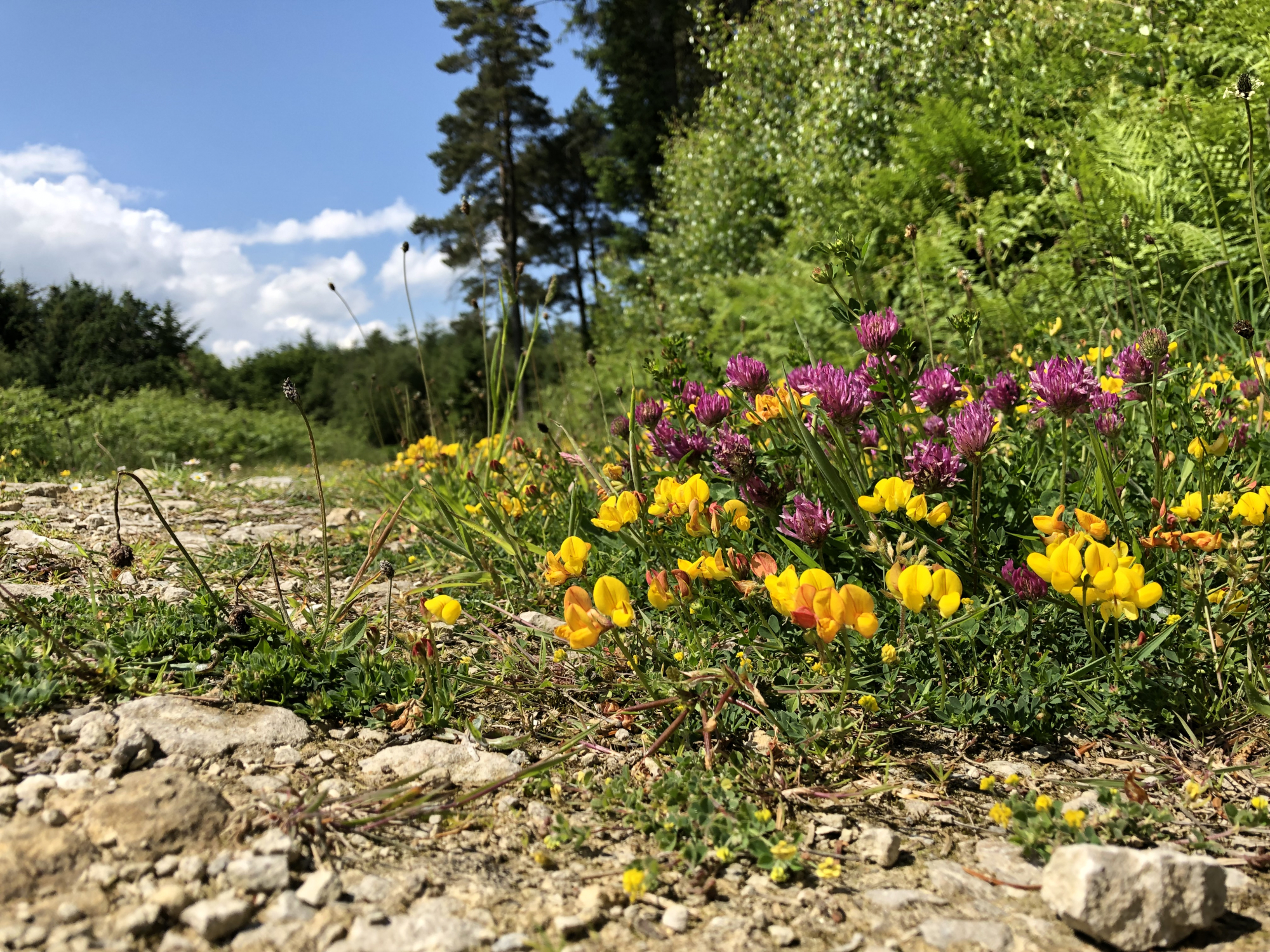
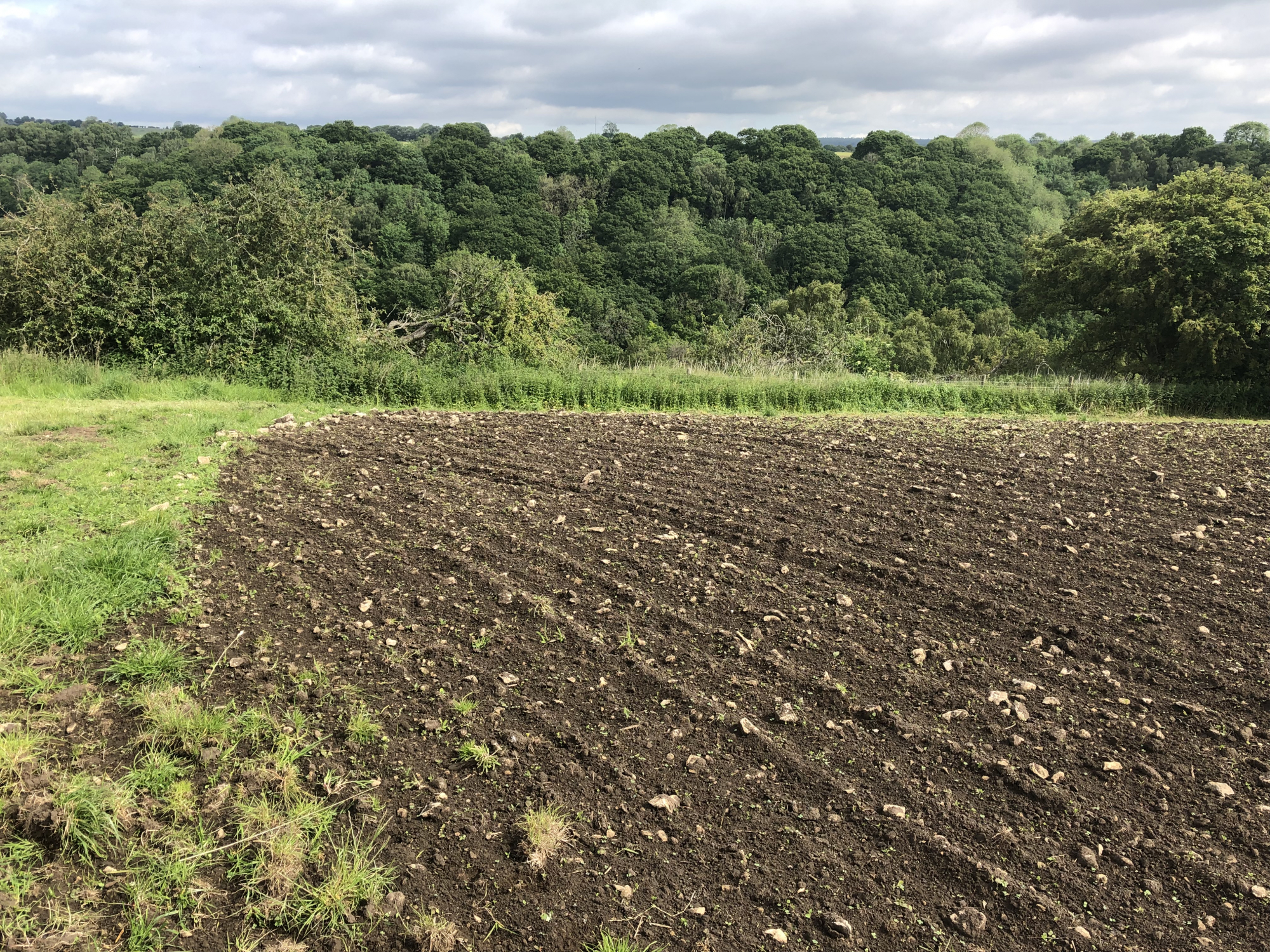
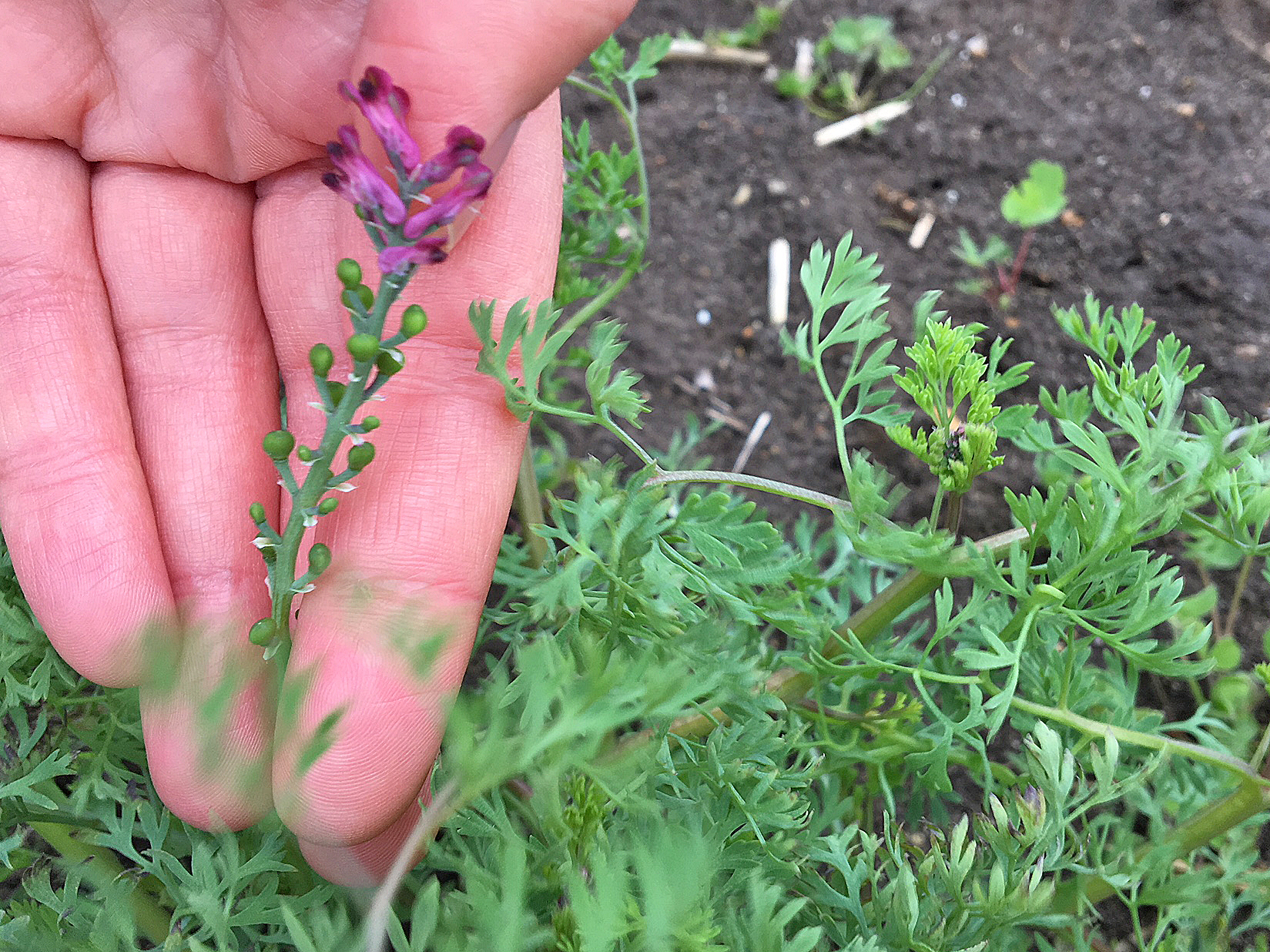
Thanks to our unique independent North Yorkshire Turtle Dove Grant Scheme, managed by the North York Moors National Park, wildflower plots have been sown and/or cultivated by farmers especially for Turtle Doves. The plots are designed to grow important seed-bearing flowers such as Common Fumitory, Black Medick and Birds-foot Trefoil - three species which were once commonly found by the side of arable fields but are now increasingly rare.
Providing Nesting Habitat
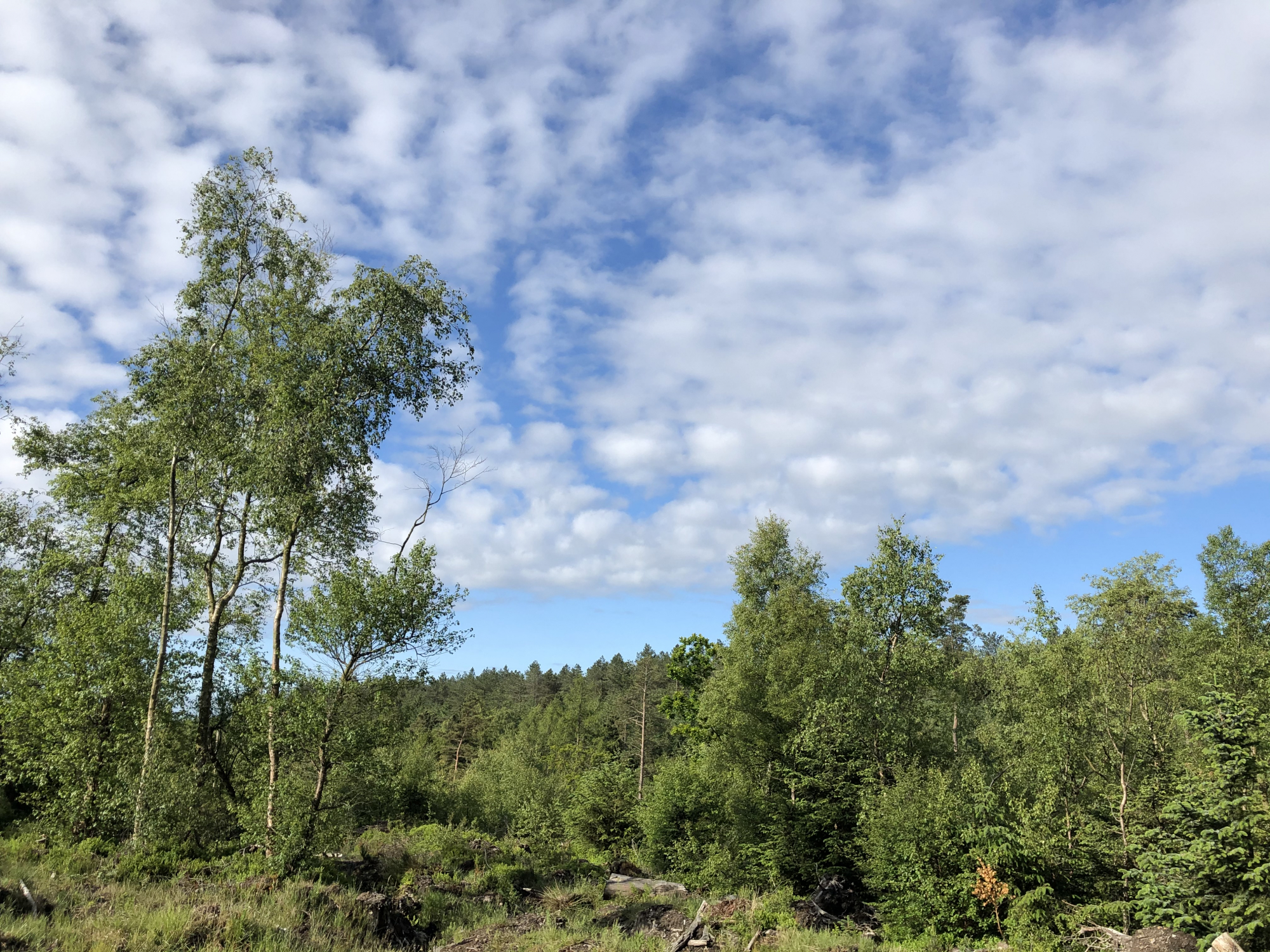
Turtle Doves choose to nest in dense thickets of large shrubs, hedges and young conifer plantations. Young forestry plantations are plentiful in the forests of North Yorkshire, but large areas of scrub and big wide hedges are much scarcer. In order to ensure Turtle Doves spread to new areas we need to work with many landowners to increase this type of habitat.
Providing Water
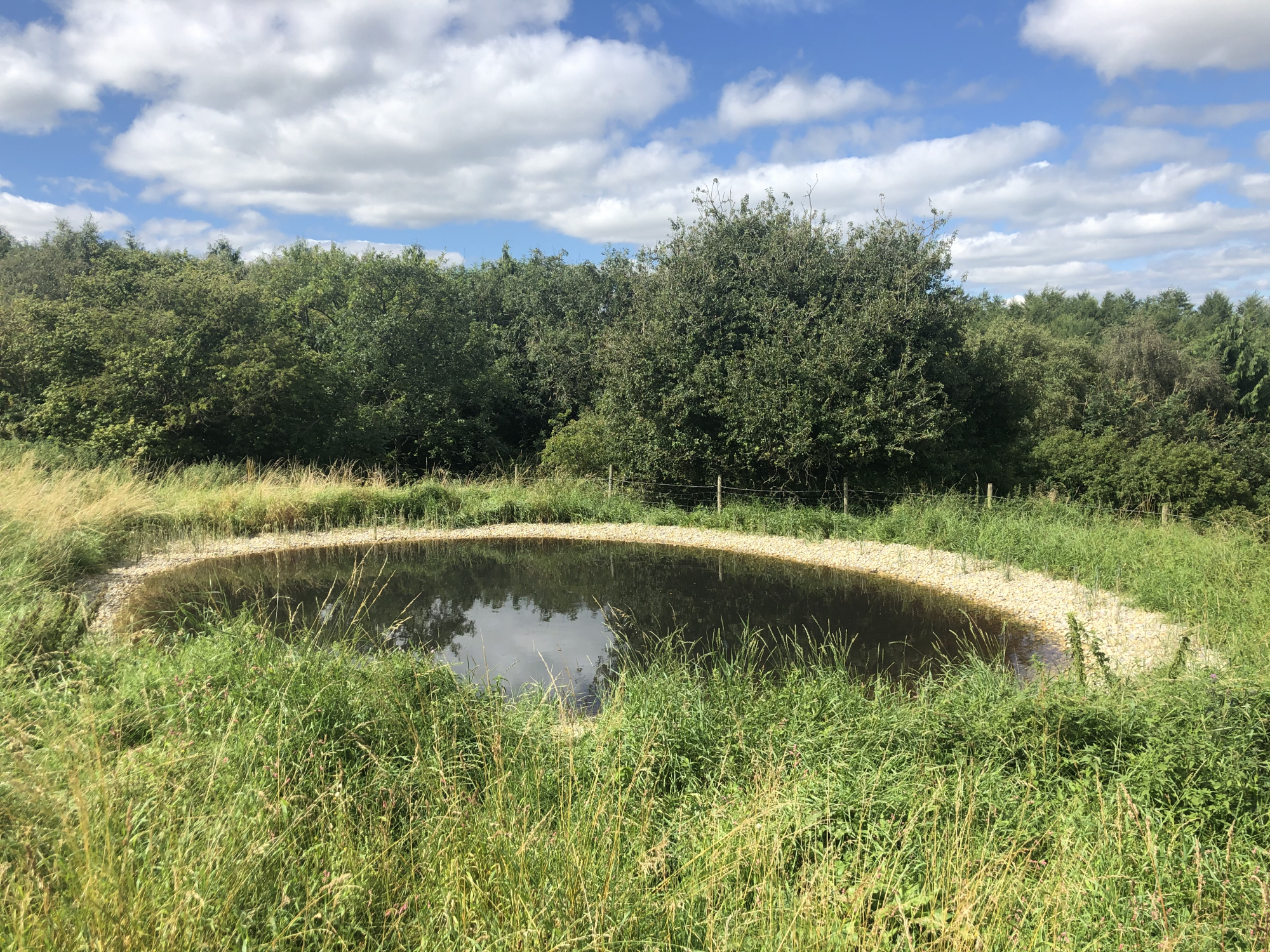
A reliable source of water is essential. Many doves and pigeons have developed a wonderful way of feeding their newly born chicks with a highly nutritious liquid formed in their crop. Turtle Doves produce this ‘crop milk’ but they need a nearby source of water to be able to produce it successfully for their young.
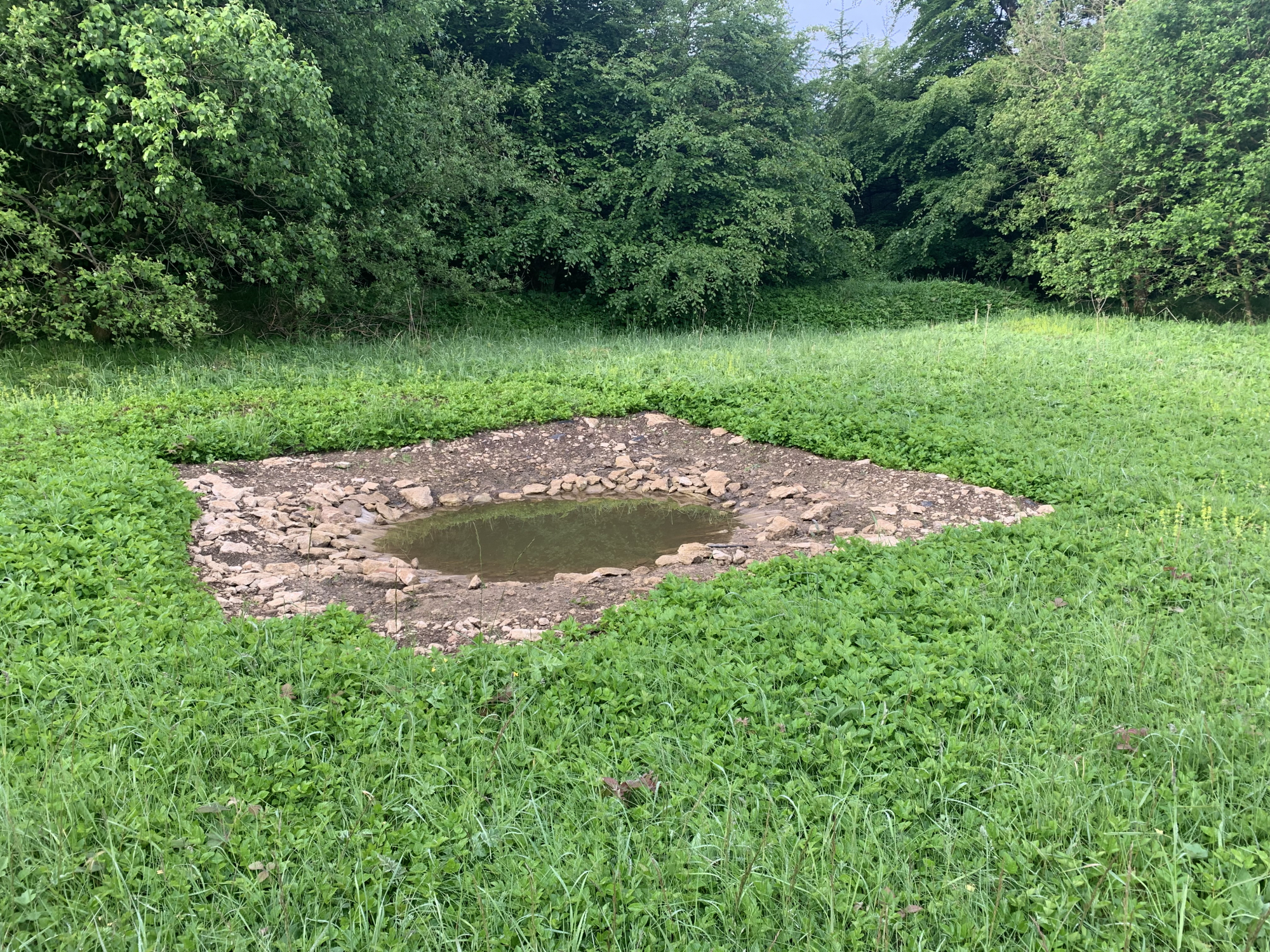
Thanks to the Natural England Nature Recovery Network funding – and, more recently, the Friends of Dalby and the new Birds on the Edge Project - we have been able to create and restore a series of ponds and drinking pools.
Please support our vital work
The Friends of Dalby, a small charity group led by volunteers, have played an important role in the North Yorkshire Turtle Dove Project. Over the years, they have supported Turtle Doves through the creation of new drinking pools, a key feature needed for Turtle Doves to successfully raise their young. Set up in 2022, this work is supported through the Friends of Dalby’s own GoFundMe page, generating nearly £15,000 for drinking pool creation and restoration. The work done has proved successful – a testament to how important local community action can be in conservation work.
2022: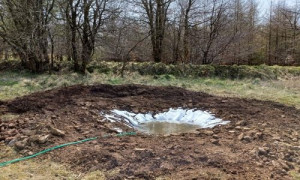
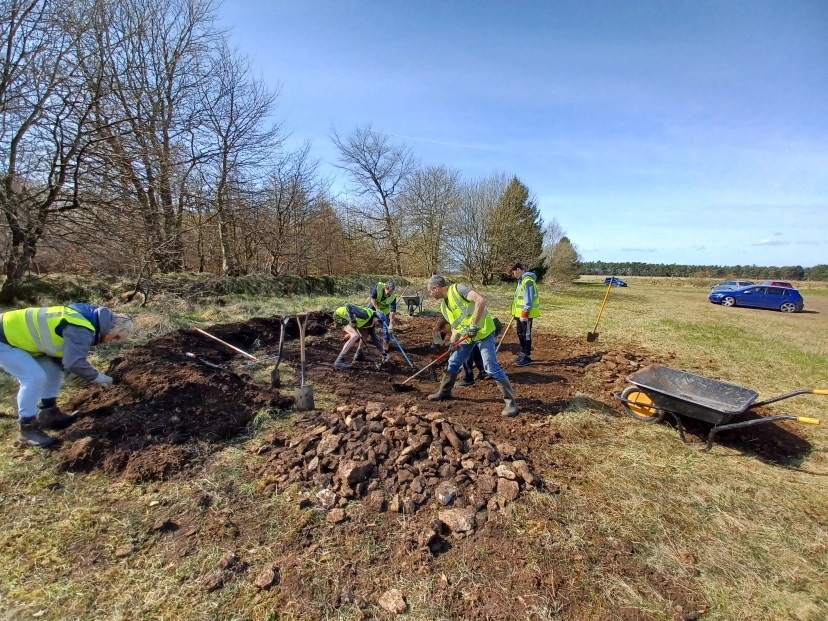
The Friends of Dalby set up their GoFundMe page in partnership with the North Yorkshire Turtle Dove Project. The first donations came through, with thanks to many generous members of the public, allowing volunteers to begin work on the first pool. As the year progressed, Turtle Doves were heard purring in the forest, spurring volunteers on to create two new drinking pools between April and May in 2022, with plans to increase this number by the end of the year.
Much was achieved in the first year of the project, and not long after their creation, a Turtle Dove was sighted by one of the new pools - success!
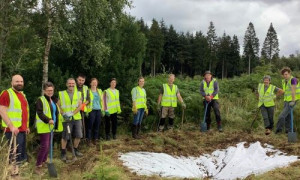 2023:
2023:
By January, 5 pools had been created across the forest. The hard work of the volunteers in 2023 meant that two new additions were added across the year, with some of these close by to where Turtle Doves are regularly sighted. Alongside pool creation, volunteers worked to restore, clean and monitor those created last year, ensuring the pools have established and are ready to use. With GoFundMe support, the Friends of Dalby bought some camera traps for additional surveying in the hopes of spotting some Turtle Doves. Camera traps offer the opportunity to peek into the lives of sensitive species without disturbance, helping to understand whether conservation efforts, such as drinking pools, are effective.
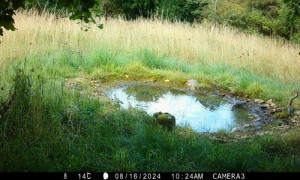
2024:
So far, 7 pools have been created across the forest thanks to the Friends of Dalby. Pool works and monitoring continued across the year, with older pools still doing well. Throughout the year, the efforts of the dedicated volunteers meant that a further two drinking pools were added by the end of 2024. Camera traps were collected from 2 sites, and amazingly, many Turtle Doves, including a pair, were regularly seen visiting both pools. This small insight into the forest shows how conservation work can benefit our declining species.
2025:
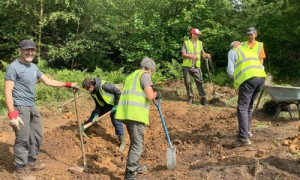
Between June and September, a huge effort from volunteers saw new two drinking pools added within the forest. Camera traps were deployed and recollected at some sites, while vegetation was managed and cut at others, maintaining the correct height for Turtle Doves to access the pools. Despite the dry spring and summer, the drinking pools still retained water, providing vital resources to many species who use the forest, including Turtle Doves.
.
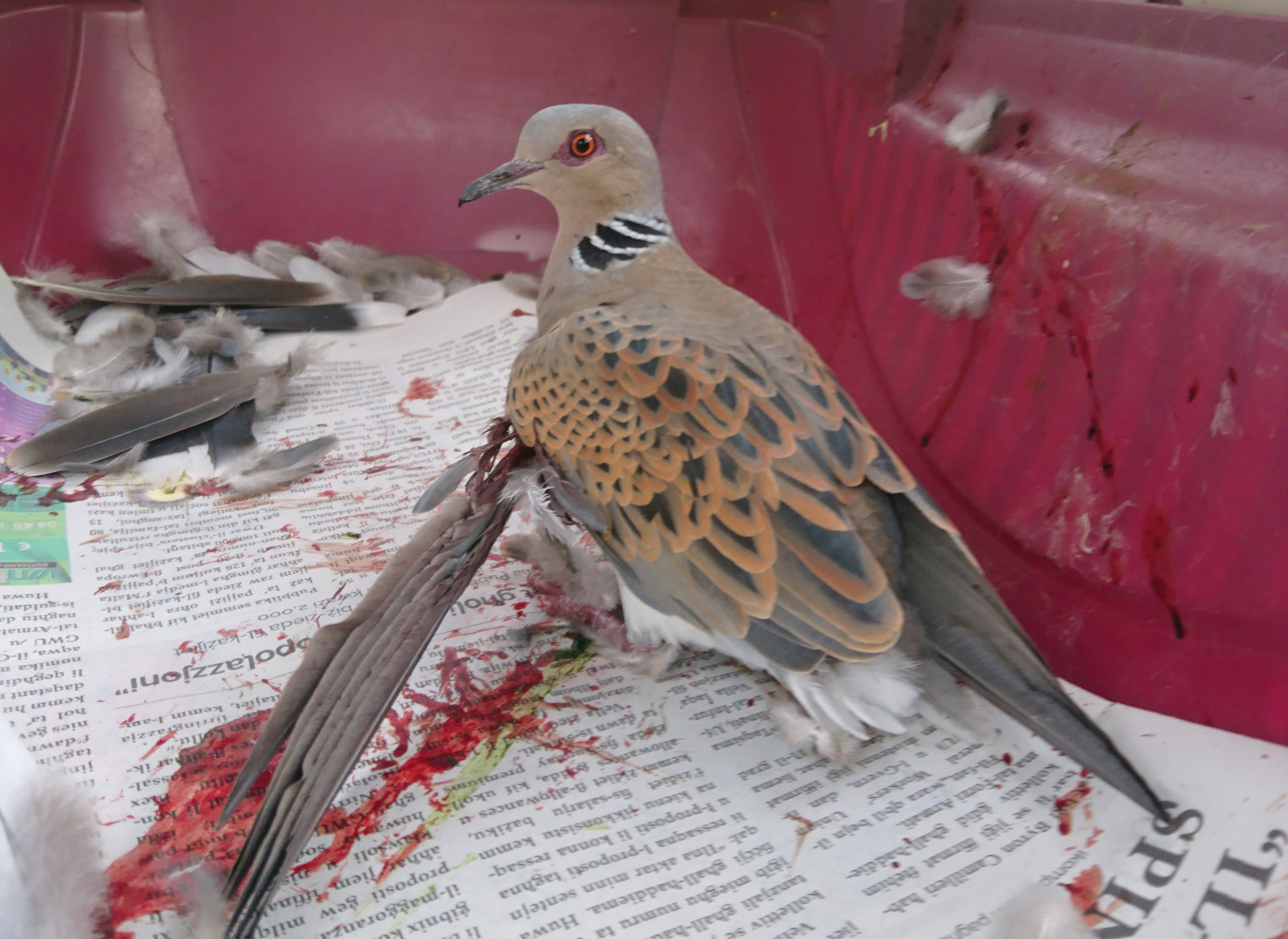
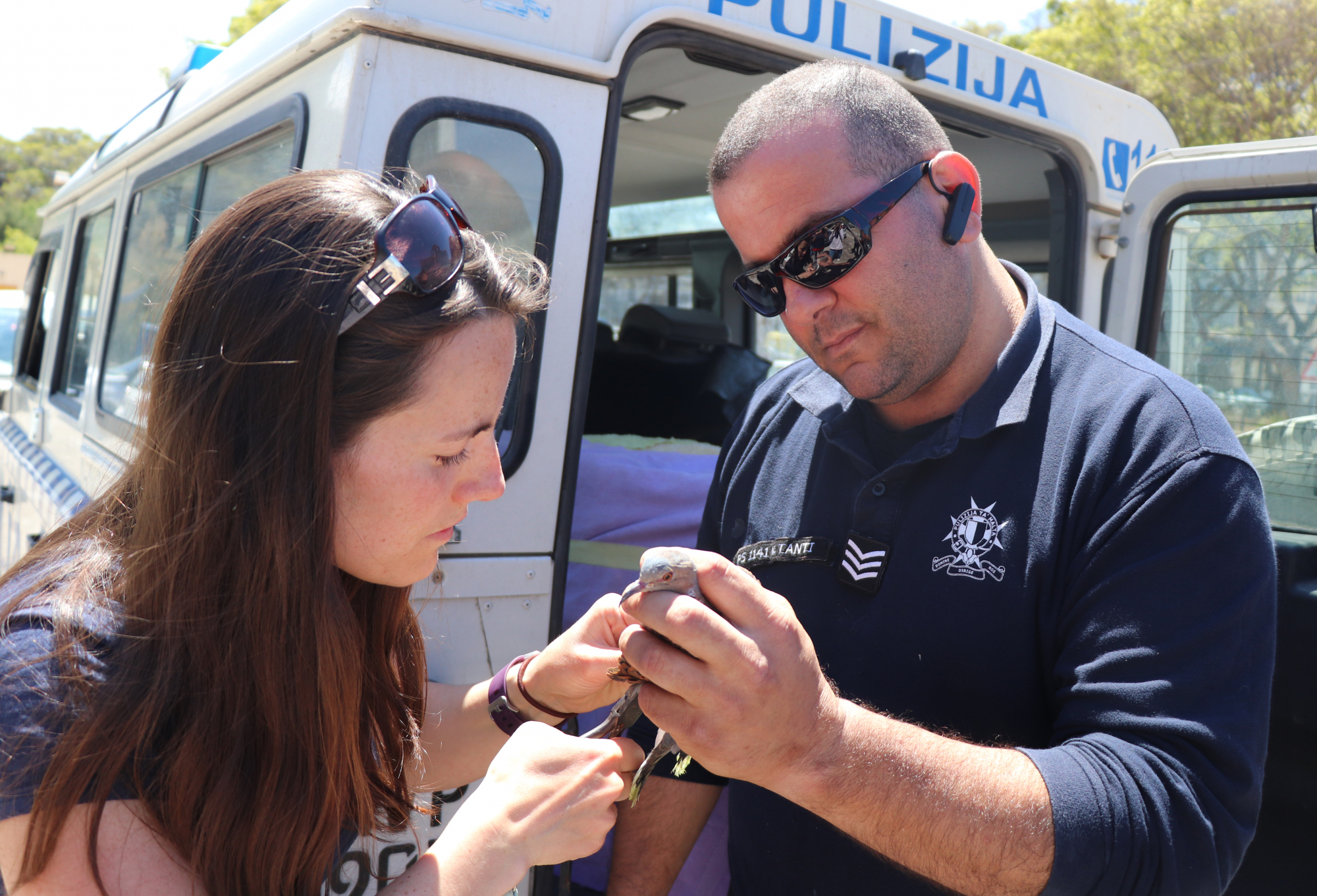
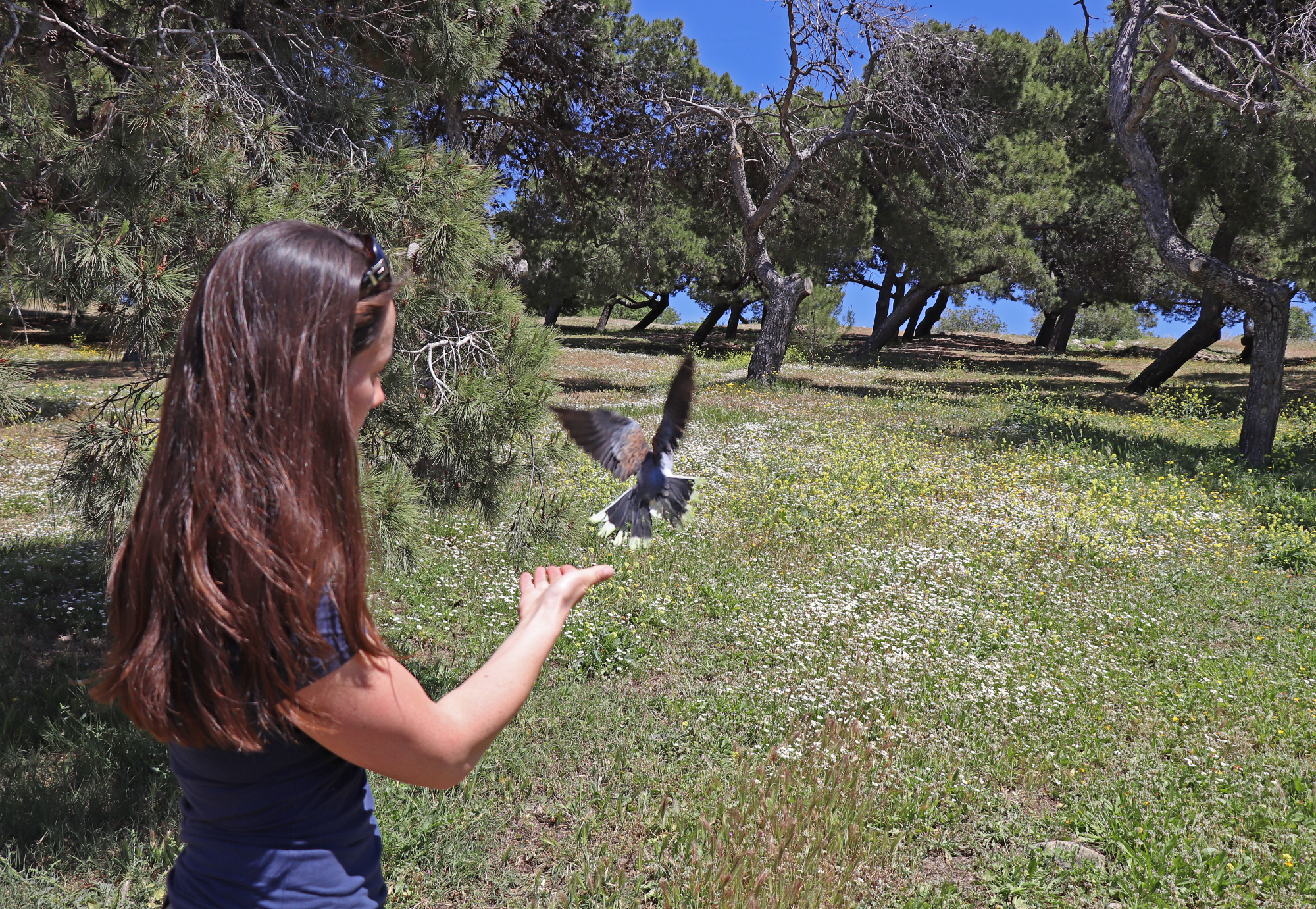
Throughout the Turtle Dove's migration flyway, many dedicated conservationists are working tirelessly to help these beautiful birds. Alice Tribe - Conservation Officer for BirdLife Malta - describes some of the challenges they face.
'Turtle Doves don’t just need protection at their breeding grounds in North Yorkshire, but they also require safe passage along their migration routes as well. Hunting (both legal and illegal) poses a threat to the species’ survival, but luckily, there are dedicated people working overseas who are doing their best to help Turtle Doves migrate safely.
For example, in Malta, the Turtle Dove can be shot legally in both the spring and autumn. Working on the ground, BirdLife Malta and the Committee Against Bird Slaughter (CABS) investigate cases of illegal hunting, and trapping, of this species. They gather evidence to pass to the enforcement authorities, in the hope of a successful court case at the end. Both charities are against spring hunting, and the more evidence they gather of illegalities, the more lobbying power they have when it comes to influencing policy at EU level.
Thanks to their work, several hunters have received hefty fines and licence suspensions after they were caught hunting or trapping Turtle Doves illegally, see this story: CLICK HERE. Furthermore, BirdLife Malta have released numerous Turtle Doves back into the wild after they were confiscated and/or rehabilitated'.
Satellite tracking of migrating Turtle Doves is also providing some fascinating results. For a great example see this story: CLICK HERE